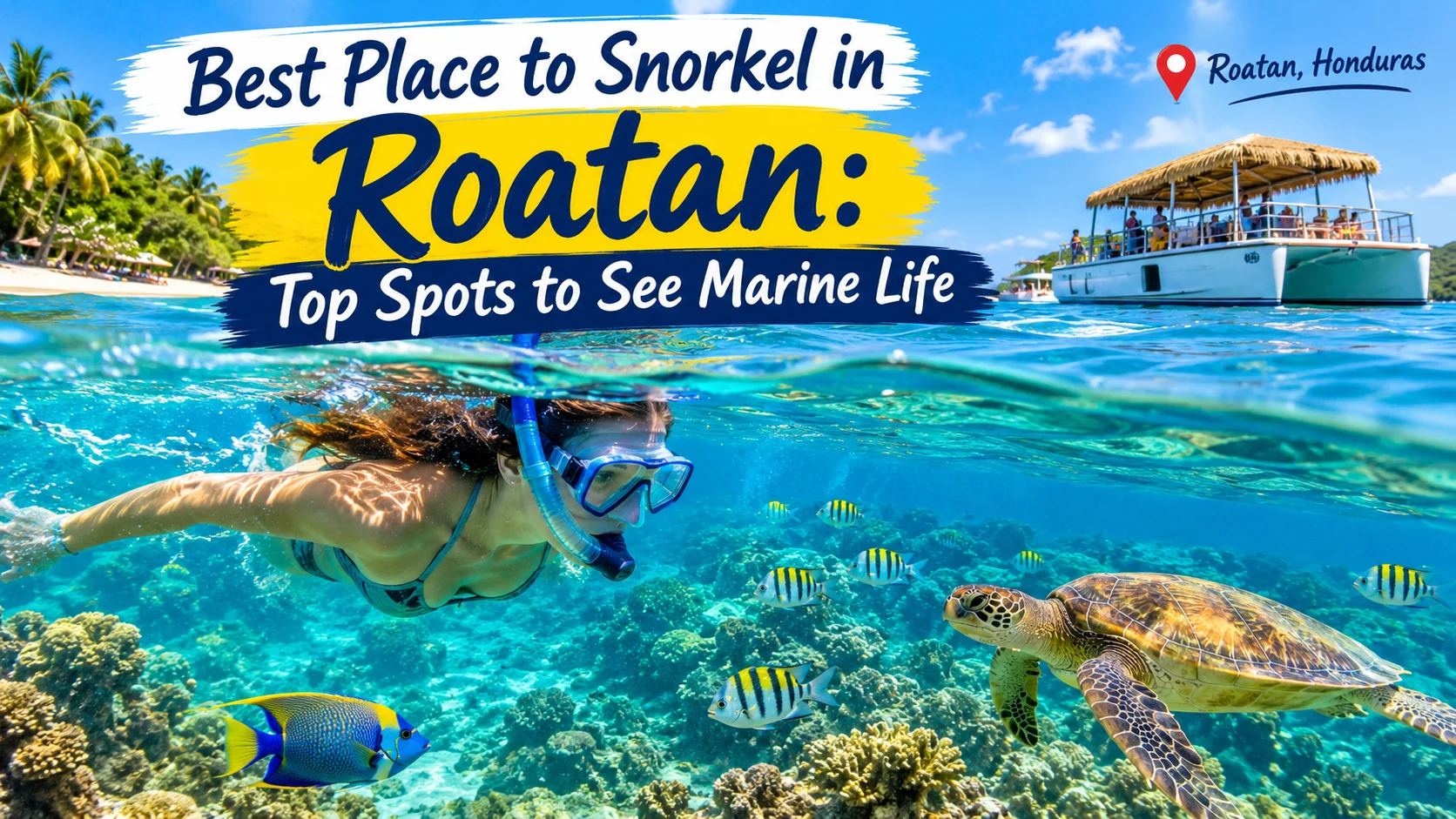
Roatan, Honduras sits along the world’s second-largest barrier reef system, and its turquoise waters hide some of the most vibrant marine life in the Caribbean. From schools of tropical fish darting between coral formations to the occasional sea turtle gliding past, this island delivers an underwater show that rivals anywhere else in the region.
Snorkeling is, without question, one of the best ways to experience Roatan’s beauty beneath the surface. You don’t need scuba certification or years of swimming experience — just a mask, a snorkel, and a sense of curiosity. Visitors regularly spot colorful reef fish, intricate coral gardens, sea turtles, stingrays, and even starfish resting in shallow seagrass beds.
Whether you’re planning your first trip to the island or returning for another adventure, finding the best place to snorkel in Roatan can shape your entire experience. The good news? Roatan offers snorkeling spots suited to every skill level, from calm, shallow beaches perfect for beginners and families to deeper reef channels that reward more experienced swimmers. This guide breaks down the island’s top snorkeling locations, the marine life you can expect to see, and practical tips to help you plan a safe and memorable excursion.
Why Is Roatan a Great Destination for Snorkeling?
Roatan’s location along the Mesoamerican Barrier Reef System — the second-largest coral reef system on Earth — gives it an enormous advantage when it comes to underwater exploration. This reef stretches from the tip of the Yucatan Peninsula down through Belize, Guatemala, and Honduras, and the waters surrounding Roatan are some of the healthiest and most accessible along its length.
The island’s clear Caribbean waters offer excellent visibility, allowing snorkelers to see coral formations, fish, and other marine creatures in sharp detail. Beneath the surface, you’ll find a genuinely diverse ecosystem: hard and soft corals, sponges, crustaceans, and dozens of fish species that call the reef home.
What makes Roatan especially appealing is the variety. Different snorkeling locations around the island offer distinct underwater experiences, from shallow, calm-water bays ideal for first-timers to boat-accessible channels that reveal deeper reef structures. Guided excursions can also make snorkeling more approachable, pairing visitors with experienced local crews who know exactly where the marine life tends to gather.
Best Places to Snorkel in Roatan
If you’re searching for the best place to snorkel in Roatan, the island actually offers several standout locations — each with its own character and underwater highlights. Here’s a closer look at the top spots.
West Bay Beach
West Bay Beach is consistently ranked among Roatan’s most popular snorkeling destinations, and for good reason. Its soft white sand leads directly into calm, shallow water, making it one of the easiest spots on the island to access reef life without a boat.
Just offshore, snorkelers can find coral formations teeming with colorful reef fish — parrotfish, angelfish, and sergeant majors are common sights. Because the water here tends to stay calm and the reef is close to shore, West Bay Beach is particularly well-suited for beginners and families with children. You can wade in from the beach, put your face in the water, and start spotting fish within minutes.
West End
Just north of West Bay, West End is another favorite among visitors looking to combine snorkeling with a laid-back island atmosphere. The area is known for its proximity to several reef sections, each offering a slightly different glimpse of Roatan’s underwater biodiversity.
Snorkelers exploring West End often encounter tropical fish weaving through coral formations, along with sponges and other reef inhabitants tucked into the rock structures. While some areas are accessible from shore, boat-based snorkeling trips departing from West End allow visitors to reach reef sections that are harder to access on foot, opening up a wider range of underwater scenery in a single outing.
Half Moon Bay
Tucked within the West End area, Half Moon Bay is a scenic, crescent-shaped cove that offers a slightly quieter alternative to the busier beaches nearby. Its calm, protected waters make it a relaxed spot to ease into snorkeling, particularly for those who prefer a slower pace.
The nearby reef areas give snorkelers the chance to observe colorful fish and coral up close, all set against the backdrop of Half Moon Bay’s picturesque coastline. It’s a great choice for visitors who want a more laid-back, low-key snorkeling experience without sacrificing access to healthy reef life.
Sandy Bay
For those looking to escape the crowds, Sandy Bay offers a quieter stretch of coastline with its own access to Roatan’s marine environment. The area’s reef ecosystems provide opportunities for underwater exploration, though conditions and accessibility can vary depending on the exact spot and time of year.
Sandy Bay tends to attract visitors who prefer a more low-key atmosphere, away from the busier tourist areas near West Bay and West End, while still offering a genuine taste of Roatan’s reef life.
Blue Channel
Blue Channel is a notable boat-accessible snorkeling site known for its underwater channels and striking reef formations. Because it’s reached by boat rather than from the shore, it tends to be less crowded than the beach-adjacent spots, giving snorkelers a bit more room to explore.
The channel’s structure creates pockets of marine biodiversity, with tropical fish and other reef species often spotted weaving through the formations. For visitors who want to venture beyond the main beaches and experience a different side of Roatan’s underwater landscape, Blue Channel is an exciting option worth adding to the itinerary.
Starfish Alley
True to its name, Starfish Alley is a shallow-water site known for its sandy seabed and seagrass environment — conditions that make it an ideal habitat for cushion sea stars. Visitors often come here specifically for the chance to see these starfish resting on the ocean floor, along with other small marine creatures that favor the seagrass.
It’s worth emphasizing: responsible wildlife viewing matters here. Starfish should never be picked up, touched, or removed from the water. Admiring them from a respectful distance helps protect the ecosystem and ensures these creatures remain undisturbed for future visitors to enjoy.
What Marine Life Can You See While Snorkeling in Roatan?
Roatan’s reefs support a wide range of marine life, and while sightings can never be guaranteed, snorkelers regularly encounter:
- Parrotfish — Easy to recognize thanks to their vibrant colors and distinctive beak-like mouths, which they use to graze on coral.
- Angelfish — Striking tropical fish commonly spotted weaving through coral reef formations.
- Sea turtles — Occasionally seen swimming gracefully or feeding near reef areas, often to the delight of snorkelers.
- Stingrays — Sometimes spotted gliding just above sandy seabeds, particularly in shallower zones.
- Starfish — Found resting in shallow seagrass environments like Starfish Alley.
- Coral formations — Brain coral, sea fans, and other reef structures that provide habitat for countless smaller species.
Keep in mind that what you see depends heavily on location, season, and ocean conditions. No two snorkeling trips are exactly alike, which is part of what makes exploring different spots around the island so rewarding.
Best Time to Go Snorkeling in Roatan
One of the perks of visiting Roatan is that snorkeling opportunities exist throughout the year. That said, conditions can shift depending on the season, so a little planning goes a long way.
Calm seas and good underwater visibility make for the best snorkeling experience, and mornings tend to offer more favorable conditions before afternoon winds pick up. Weather, rainfall, and ocean currents can all affect water clarity and comfort, so it’s worth checking local forecasts and sea conditions before heading out for the day.
If your schedule allows flexibility, booking a morning excursion and keeping an eye on the weather in the days leading up to your trip can help you make the most of your time in the water.
Tips for an Enjoyable and Safe Snorkeling Experience
Whether it’s your first time snorkeling or your fiftieth, a few simple precautions can make the experience smoother and more enjoyable:
- Choose a properly fitting snorkeling mask and comfortable fins to avoid leaks and discomfort.
- Use reef-safe sunscreen or opt for protective swimwear to shield your skin without harming the coral.
- Follow your guide’s instructions and stay within designated snorkeling areas.
- Avoid touching coral, sea turtles, starfish, or other marine creatures — observation is best left at arm’s length.
- Never stand on or collect pieces of coral, even if it looks sturdy.
- Consider a snorkeling vest, especially if you’re a beginner or less confident in open water.
- Stay alert to boat traffic and ocean currents, particularly in boat-accessible areas.
- Avoid snorkeling alone — a buddy or guide adds an extra layer of safety.
Explore Roatan’s Underwater Beauty with a Guided Boat Excursion
While many of Roatan’s snorkeling spots are accessible from the beach, a guided boat excursion opens the door to reef areas that are otherwise difficult to reach. Instead of sticking to one stretch of coastline, a boat trip lets you explore multiple locations in a single outing, maximizing your chances of encountering diverse marine life.
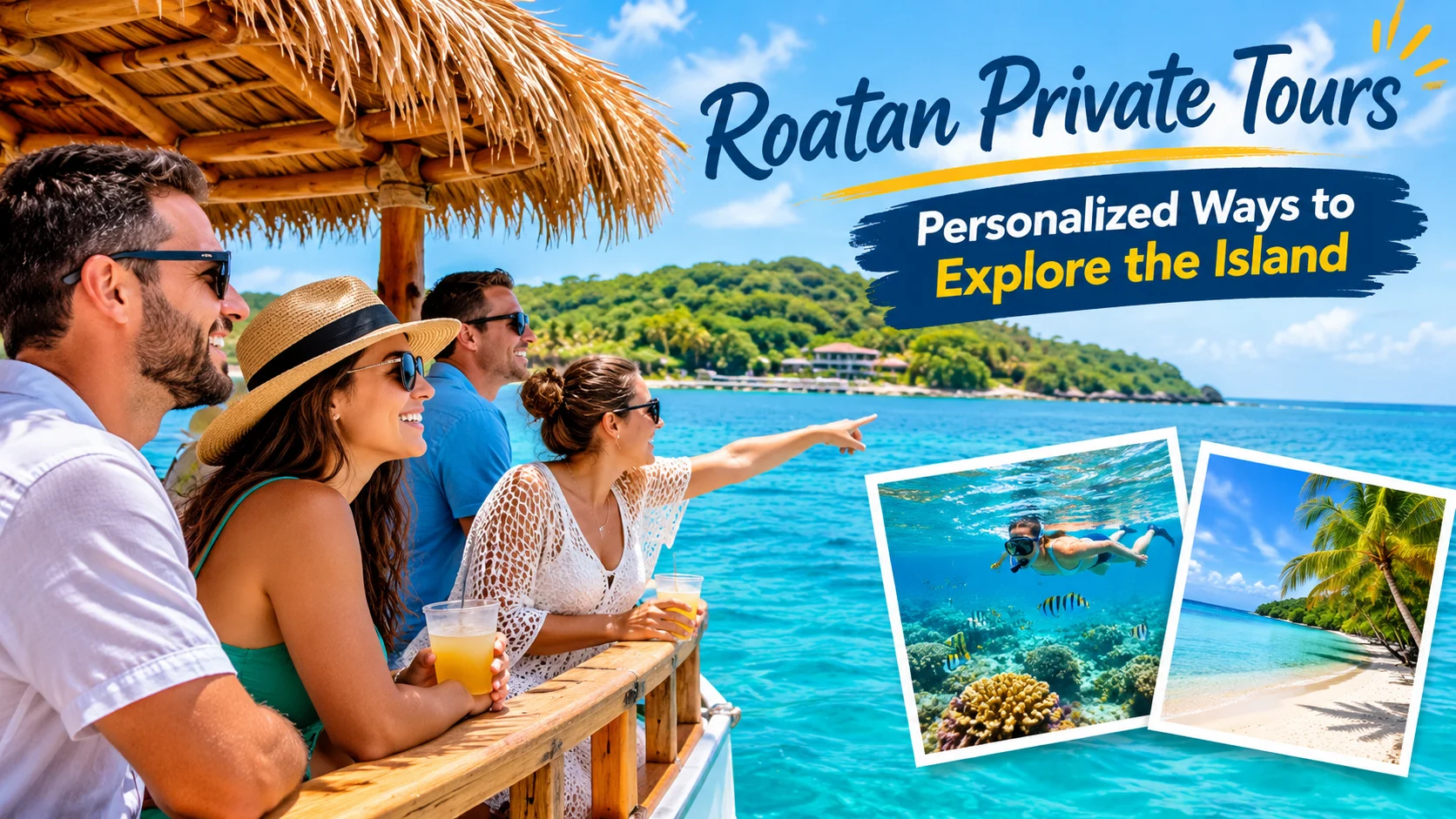
Having an experienced local crew on board makes a real difference, too. They know the reef, understand current conditions, and can guide you toward the spots most likely to deliver a memorable experience that day. Private and personalized boat trips add even more flexibility, allowing your itinerary to adapt based on weather, group preferences, and time.
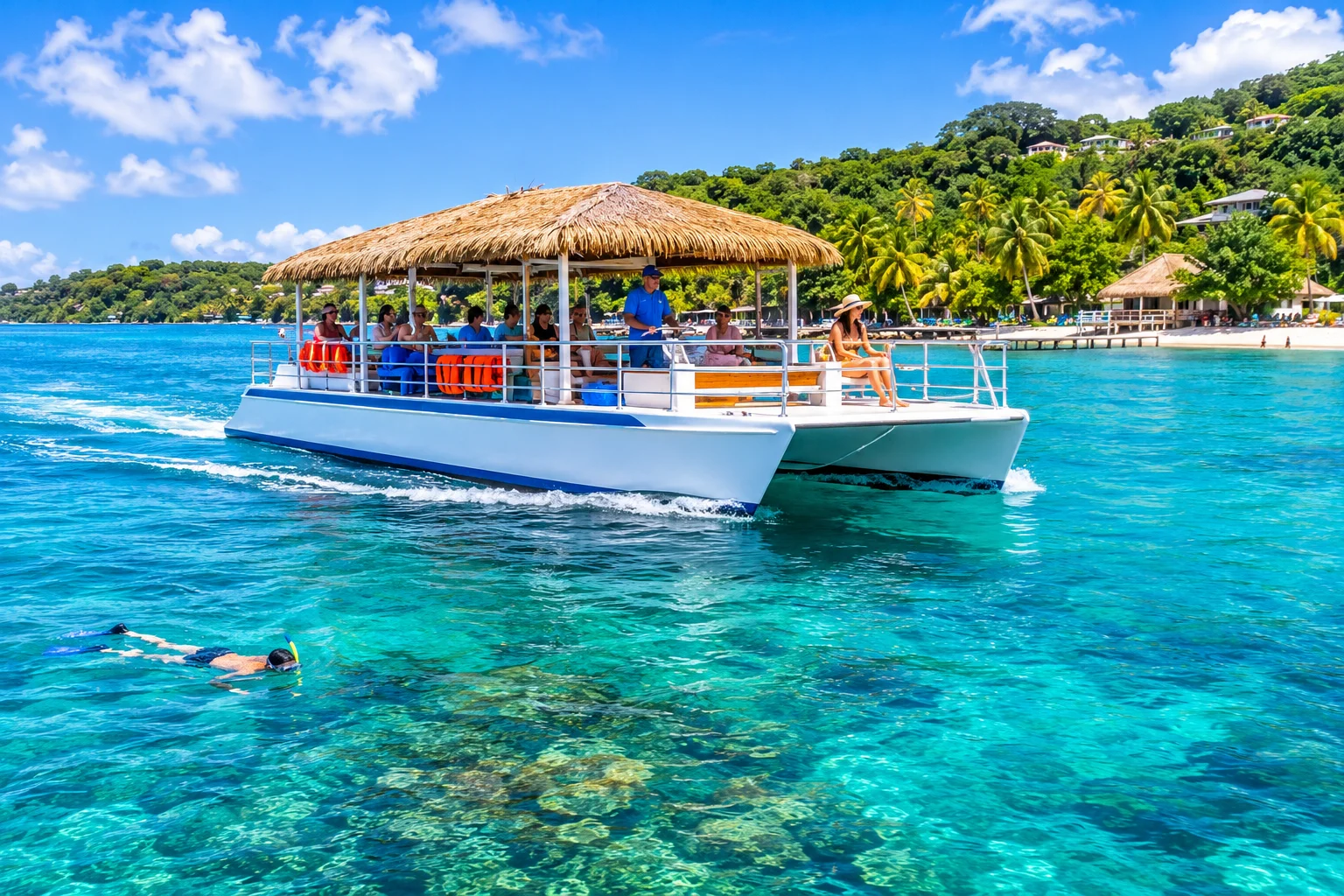
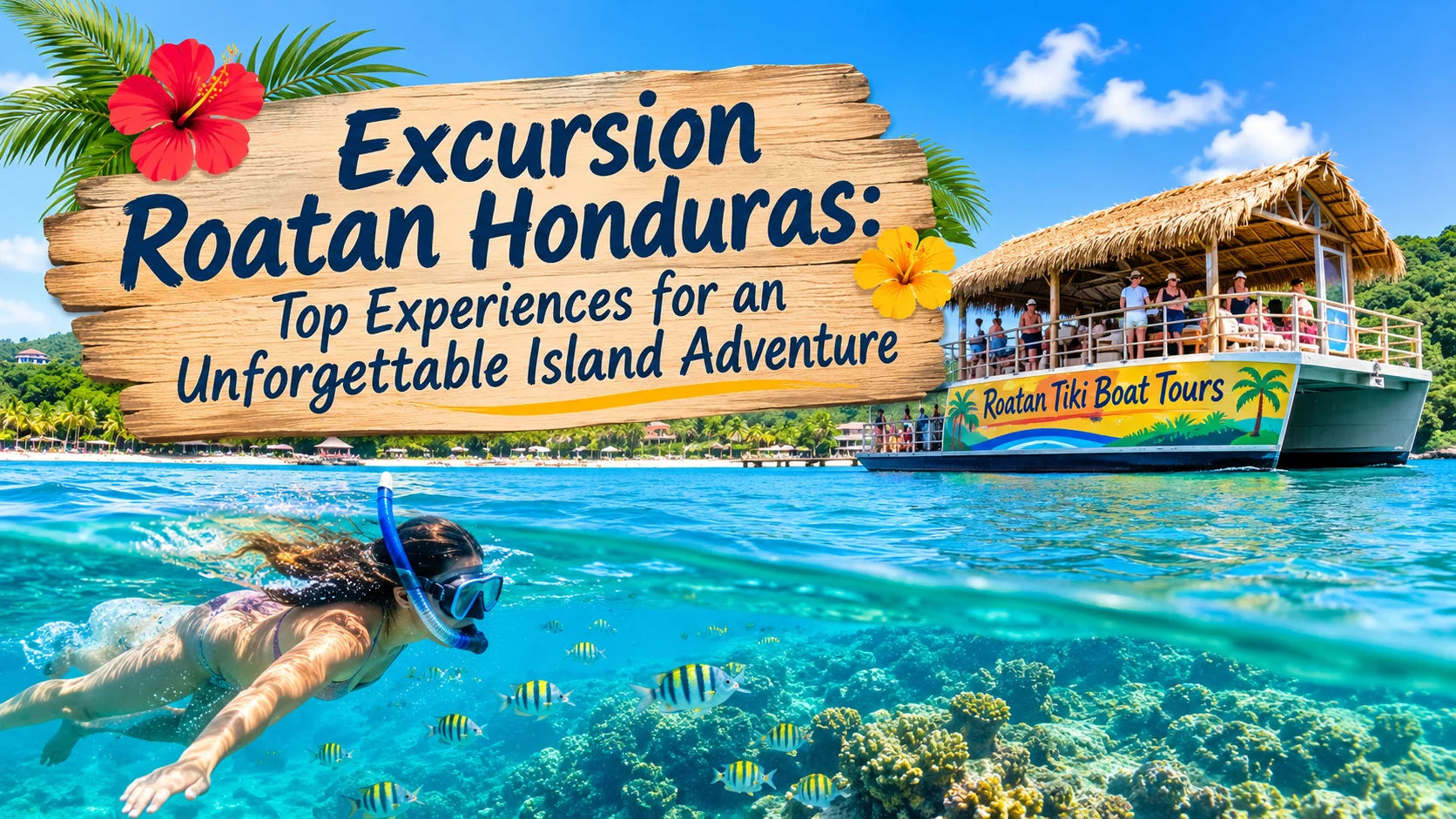
Mono Loco Tiki Boat Tours offers exactly this kind of experience. Operating a spacious 50-foot catamaran along Roatan’s North Shore, Mono Loco takes guests through the scenic West Bay and West End areas, combining snorkeling in some of the island’s best reef zones with the relaxed atmosphere of a day on the water. From discovering marine life beneath the surface to unwinding on a sunset dinner cruise, Mono Loco Tiki Boat Tours creates memorable experiences for families, couples, and groups eager to see Roatan from a different angle. Ready to explore the best place to snorkel in Roatan for yourself? Check out available boat tours and start planning your Roatan adventure today.
FAQs
West Bay Beach is often considered the best place to snorkel in Roatan thanks to its calm, shallow water and easy shore access to coral reefs. That said, spots like West End, Half Moon Bay, Blue Channel, and Starfish Alley each offer their own unique underwater experiences, so the “best” spot often depends on what you’re hoping to see.
Yes. Roatan offers several beginner-friendly snorkeling locations, including West Bay Beach and Half Moon Bay, where calm, shallow waters make it easy to get comfortable in the water. Guided excursions can also provide extra support for first-timers.
Snorkelers in Roatan may spot parrotfish, angelfish, sea turtles, stingrays, and starfish, along with coral formations like brain coral and sea fans. Sightings vary by location, season, and ocean conditions, so no two trips are exactly alike.
Not necessarily. Several spots, like West Bay Beach and Half Moon Bay, are accessible directly from shore. However, boat tours — such as those offered by Mono Loco Tiki Boat Tours — allow you to reach reef areas like Blue Channel that are difficult or impossible to access from the beach, while also covering multiple locations in one trip.
Roatan offers snorkeling opportunities year-round, though calm seas and clear visibility tend to improve the experience. Morning excursions generally offer more favorable conditions, and it’s always worth checking local weather and sea conditions before planning your trip.