Roatan sits off the coast of Honduras in the Caribbean Sea, known for its warm, clear waters, vibrant coral reefs, and some of the richest marine biodiversity in the region. For travelers who have always wanted to try scuba diving, this island offers an inviting setting to learn. Whether you’re visiting Roatan for a vacation or planning your first underwater adventure, earning your Roatan scuba diving certification can help you explore the underwater world with greater confidence and skill.
Scuba certification is more than a formality—it’s a structured training process that teaches essential safety skills, equipment handling, and underwater communication. These fundamentals matter whether you’re diving along a shallow reef or working toward more advanced dives later on. This guide walks through what to expect when getting certified in Roatan, from choosing a course to understanding costs, requirements, and timelines.
Why Choose Roatan for Scuba Diving Certification?
Explore the Mesoamerican Barrier Reef
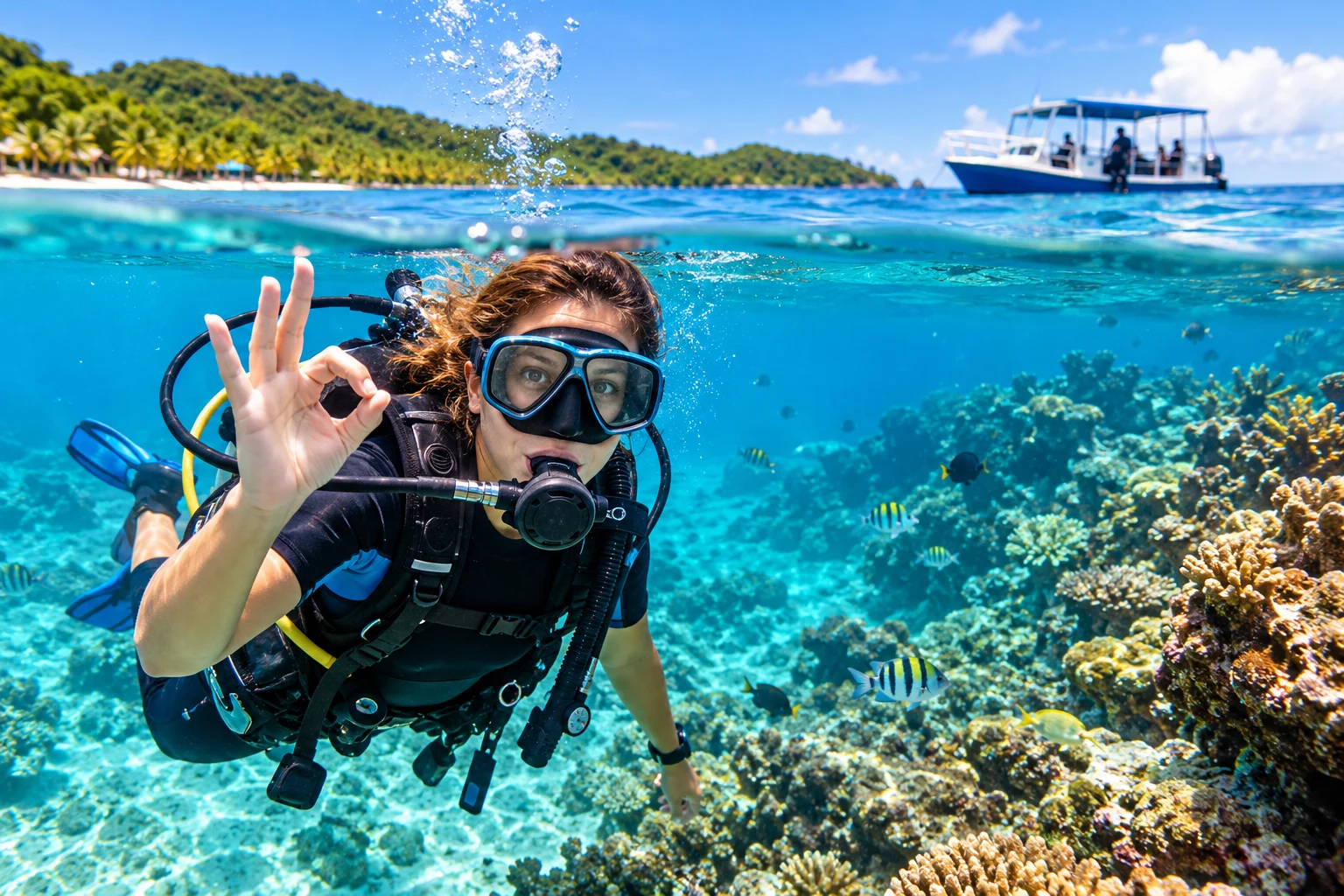
Roatan sits along the Mesoamerican Barrier Reef System, the second-largest barrier reef in the world. This location means new divers can train among coral formations, tropical fish, and varied underwater landscapes rather than in a featureless pool or murky quarry. The visibility and warm water temperatures found around the island make it a popular training ground for beginners from around the world.
Find Training Options for Beginners
Local dive operators across Roatan offer beginner-friendly courses that typically include classroom or online instruction, confined-water practice, and supervised open-water training. Before booking, it’s worth checking an instructor’s qualifications, reviewing course requirements, and confirming available schedules. Course structure and pacing can vary between operators, so a little research upfront helps you find the right fit.
Combine Learning with a Caribbean Vacation
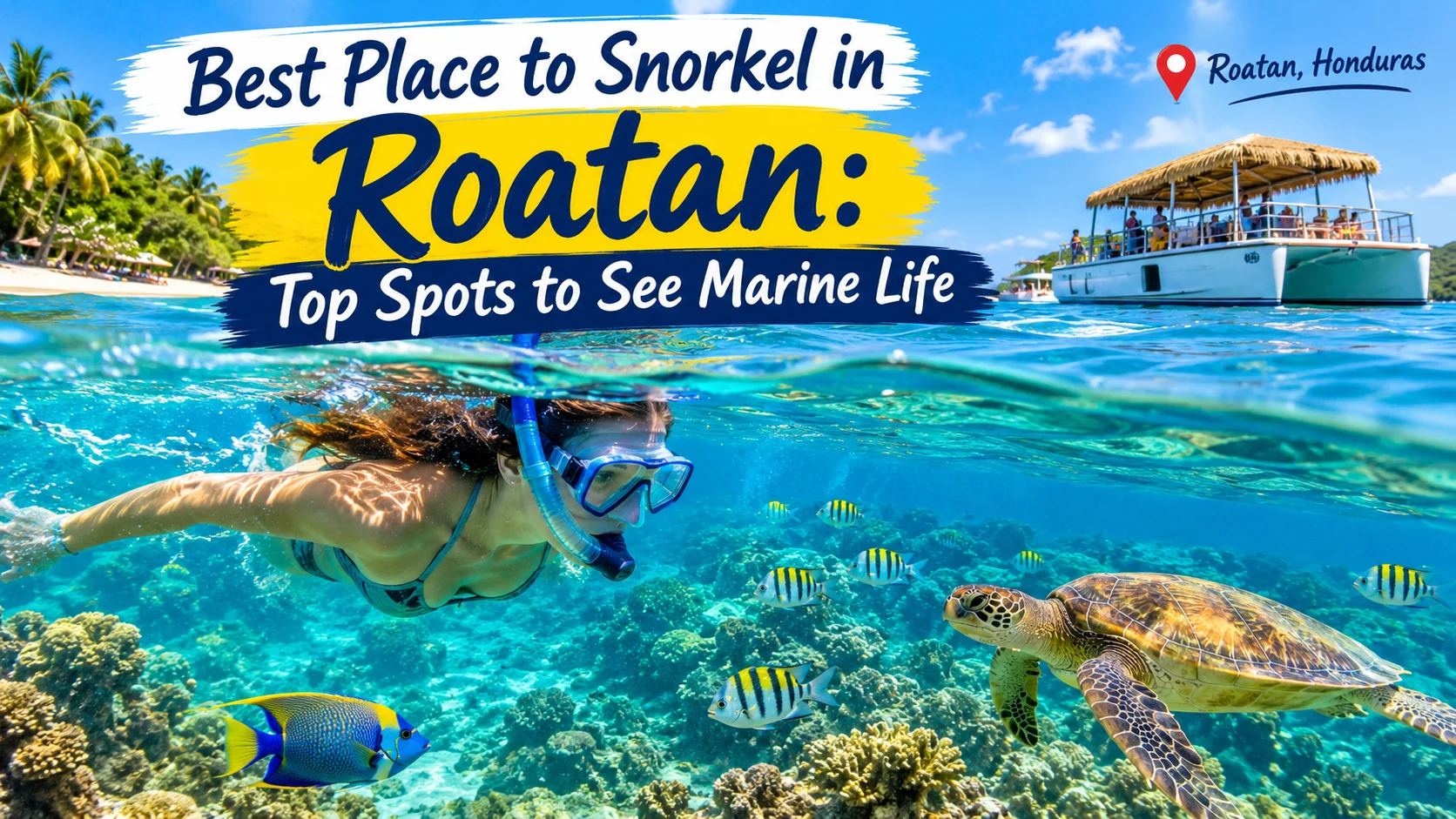
Scuba training can easily become part of a broader Roatan itinerary. Many travelers pair their certification course with snorkeling, boat excursions, beach time, and other marine activities, making the island a destination where learning to dive doesn’t have to come at the expense of a relaxing vacation.
What Is a Roatan Scuba Diving Certification?
A scuba diving certification is a structured training program that covers diving knowledge, equipment use, practical in-water skills, and safety procedures. Widely recognized training agencies like PADI and SSI offer these programs, and most dive operators in Roatan are affiliated with one or both.
Entry-level certification generally allows divers to participate in qualifying recreational dives within their training limits, subject to the requirements of the operator they’re diving with. It’s worth noting that a full certification course is different from a one-time introductory dive, which is typically conducted under direct professional supervision and doesn’t result in a standalone certification. If you’re looking for scuba diving lessons in Roatan that lead to a lasting qualification, a beginner scuba diving course designed around full certification is the better route.
Step-by-Step Guide to Getting Scuba Certified in Roatan
Step 1 — Choose a Recognized Certification Course
Start by comparing entry-level courses from recognized agencies such as PADI and SSI. It helps to understand the difference between a brief introductory dive, a Scuba Diver certification (a partial qualification with some restrictions), and a full Open Water Diver certification. For travelers who want greater independence and more recreational diving privileges, the full Open Water course is generally the better choice.
Step 2 — Complete the Theory and Knowledge Training
Classroom or online coursework covers topics like pressure and buoyancy, dive planning, underwater communication, equipment use, and safety procedures. Many providers now offer this portion online, allowing you to complete it before you even arrive in Roatan. This can save valuable vacation time once you’re on the island.
Step 3 — Practice Essential Skills in Confined Water
Before heading into open water, students practice using a mask, regulator, buoyancy control device, and scuba tank in a pool or similarly shallow, controlled environment. This confined-water training lets you build muscle memory and comfort under close instructor supervision.
Step 4 — Complete Supervised Open-Water Training Dives
Once confined-water skills are solid, instructors assess your practical abilities and comfort during supervised dives in open water. Roatan’s reef environment offers a genuinely exciting backdrop for this stage of training, provided weather and sea conditions cooperate.
Step 5 — Earn Your Certification
After completing both the knowledge and practical requirements of the course, your certification is issued. Depending on the training agency, certification records can often be accessed digitally, making it easy to prove your qualification on future dive trips.
How Long Does Scuba Diving Certification Take in Roatan?
A full entry-level Open Water Diver course commonly takes around three to four days, though the exact timeline depends on the provider and how quickly a student progresses through the material. Completing the online theory portion in advance can help trim the time needed once you’re on the island. Shorter certification options do exist, but they may come with additional supervision requirements or depth restrictions compared to a full Open Water certification.
Because course schedules, individual progress, and sea conditions can all vary, it’s wise to build some flexibility into your travel plans rather than expecting a fixed completion time.
Requirements for Beginner Scuba Divers
Age and Swimming Ability
Many entry-level courses accept students from age 10, depending on the specific agency’s rules and with parental consent where required. Beyond age, being comfortable in the water matters—each course will have its own swimming or water-skills requirements that students need to meet.
Medical Fitness and Safety
Most programs require students to complete a scuba medical questionnaire before training begins. Certain medical conditions or questionnaire responses may require sign-off from a qualified medical professional. It’s always best to follow your instructor’s guidance and disclose any relevant health concerns before getting started.
What to Bring
Pack swimwear, a towel, sun protection, and drinking water, along with any personal items you typically need for a day outdoors. Before your course, check whether materials and diving equipment are included in your booking or need to be arranged separately.
How Much Does Scuba Diving Certification Cost in Roatan?
The total cost of certification depends on several factors: the certification level you choose, course duration, instructor-to-student ratio, and whether equipment rental is included. Rather than choosing a course based on price alone, it’s worth comparing exactly what each package includes.
When researching Roatan scuba diving certification cost, ask providers whether online learning, certification fees, taxes, equipment, boat transfers, and marine park fees are bundled into the quoted price. These details can add up and vary significantly between operators.
Tips for a Successful First Scuba Diving Experience
- Book with a qualified instructor and a reputable dive center.
- Complete any available online learning before you arrive.
- Ask questions whenever a skill feels unfamiliar or uncomfortable.
- Listen carefully during briefings and stay within your certification limits.
- Practice responsible diving: maintain good buoyancy, avoid touching coral, and respect marine life.
- Follow your instructor’s advice about flying after diving, since recommended surface intervals depend on your specific dive profile.
Enjoy More of Roatan Beyond Scuba Diving
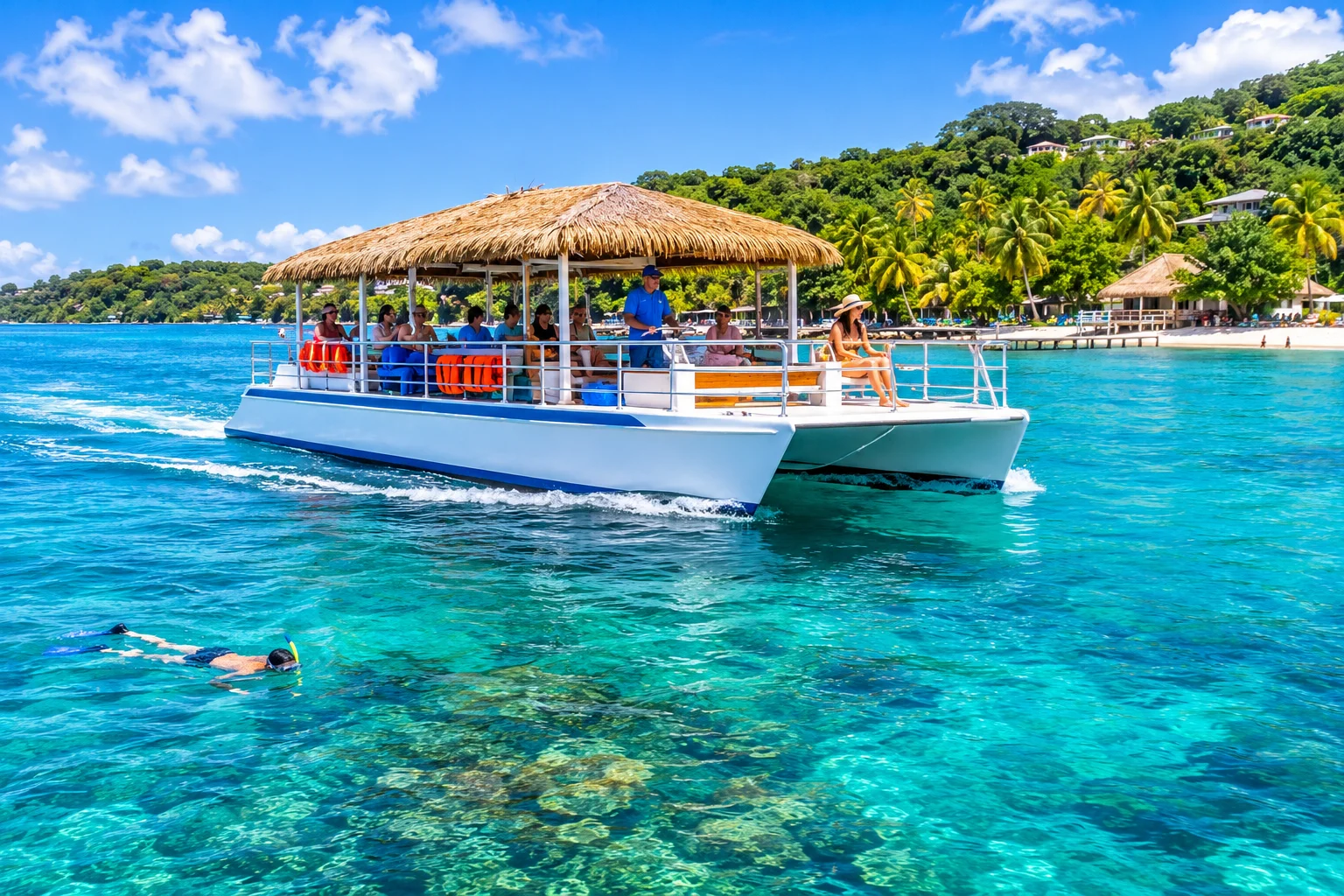
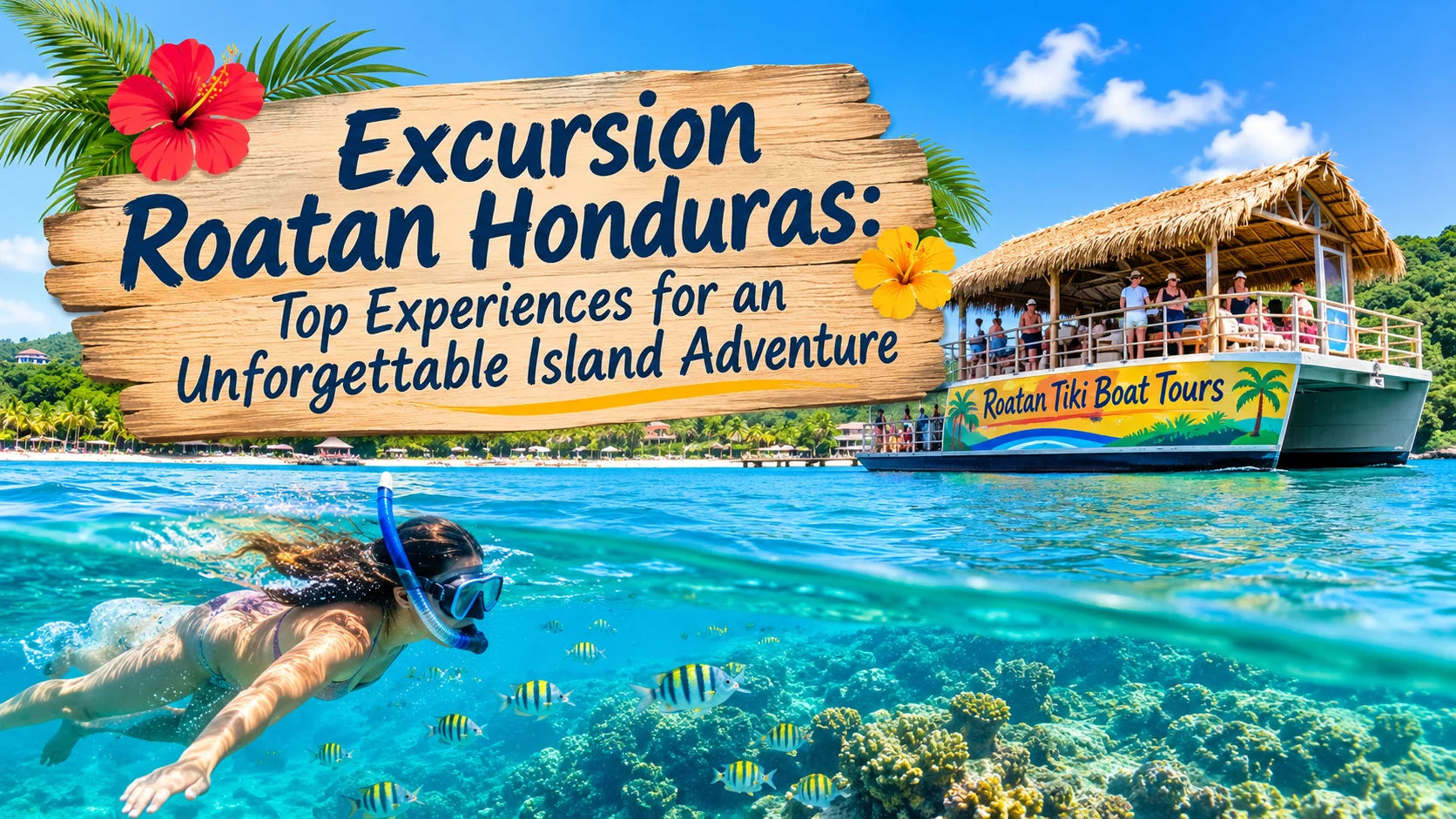
Scuba diving is just one part of what makes Roatan such a rewarding destination. Beyond your certification course, the island offers snorkeling, beach visits, scenic boat trips, and plenty of coastline to explore. Planning more adventures during your Roatan vacation? Explore Roatan Tiki Boat Tours and discover another way to enjoy the island’s beautiful coastal scenery.
About Roatan Tiki Boat Tours
Roatan Tiki Boat Tours offers visitors a way to enjoy Roatan from the water while soaking in the island’s Caribbean atmosphere and coastal scenery. Whether you’re planning a relaxing outing or adding a boat excursion to a vacation filled with underwater adventures, consider exploring the company’s available tours to find an experience that fits your itinerary. Check the official website for current tour details, availability, and booking information.
Start Your Underwater Adventure in Roatan
Getting certified in Roatan combines structured, safety-focused training with one of the most celebrated reef systems in the Caribbean. By choosing a reputable course, understanding the time and requirements involved, and pacing your training alongside the rest of your vacation, you’ll be well-prepared to step into the underwater world with confidence. From there, Roatan’s waters—and everything surrounding them—are yours to explore.
FAQs
Yes. Roatan has numerous dive operators offering beginner-friendly courses, including full Open Water Diver certification programs designed specifically for first-time divers.
Most entry-level Open Water courses take around three to four days, though this can vary based on the provider, your pace of learning, and weather conditions.
Yes, a reasonable level of comfort and competence in the water is required. Specific swimming or water-skills requirements vary by course and training agency.
Scuba Diver certification is a partial qualification with some depth and supervision restrictions, while Open Water Diver certification is the full entry-level qualification that allows more independent recreational diving within training limits.
For many travelers, yes. Training alongside the Mesoamerican Barrier Reef offers a uniquely rewarding learning environment, and a full certification allows you to continue diving at other destinations long after your trip ends.